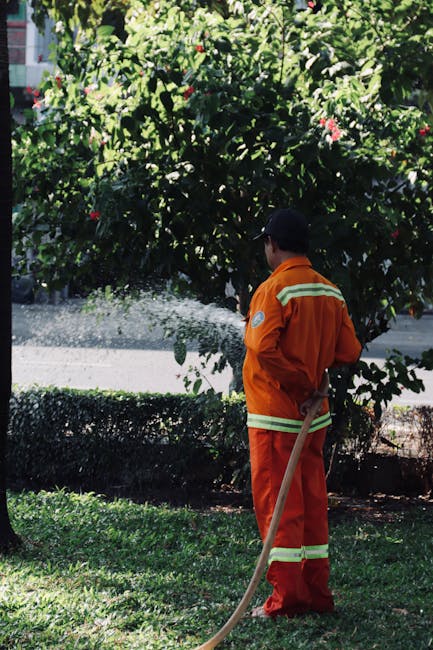
Hendon Park gardeners and garden maintenance guide
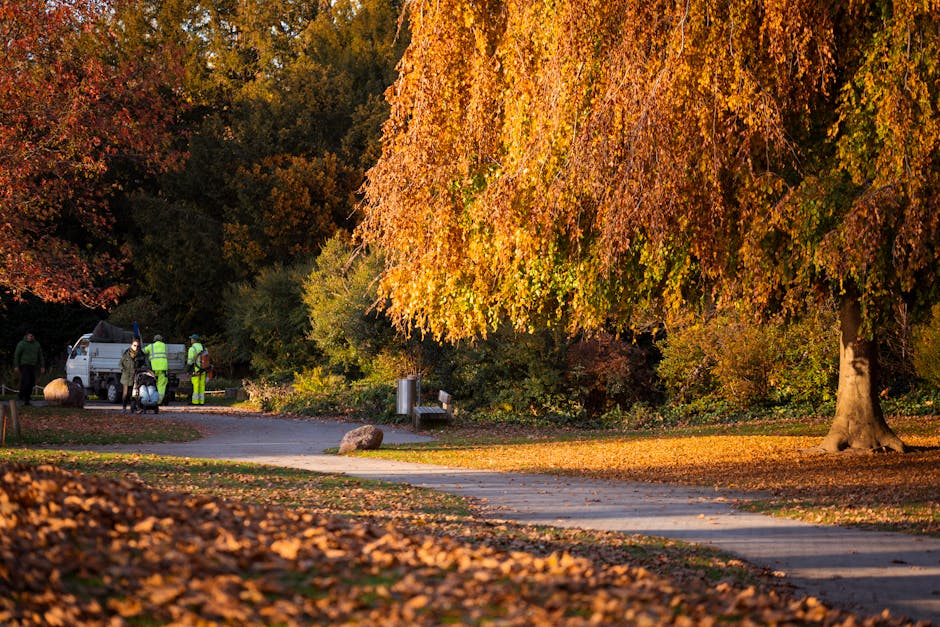
If you have a garden in Hendon Park, you already know the pattern: a few dry weeks, a burst of growth, then suddenly the lawn is patchy, the hedge looks wild, and the borders need attention all at once. This Hendon Park gardeners and garden maintenance guide is here to make that easier. Whether you want a neat weekly routine, help with overgrown beds, or a clearer idea of what a professional gardener actually does, the aim is simple: give you practical answers that save time and reduce hassle.
Good garden maintenance is not only about making things look tidy on a Sunday afternoon. It protects the health of the plants, keeps paths and lawns safer, and prevents a small job from turning into a big, expensive one. And in a place like London, where space is often limited and weather swings can be a bit unpredictable, that matters more than people think.
Below, you will find a straightforward guide to how garden maintenance works, when it makes sense to call in help, what services usually matter most, and how to avoid the common mistakes that leave gardens looking tired by midsummer. A cup of tea helps too, obviously.
- Why Hendon Park gardeners and garden maintenance guide Matters
- How Hendon Park gardeners and garden maintenance guide Works
- Key Benefits and Practical Advantages
- Who This Is For and When It Makes Sense
- Step-by-Step Guidance
- Expert Tips for Better Results
- Common Mistakes to Avoid
- Tools, Resources and Recommendations
- Law, Compliance, Standards, or Best Practice
- Options, Methods, or Comparison Table
- Case Study or Real-World Example
- Practical Checklist
- Conclusion
- Frequently Asked Questions
Why Hendon Park gardeners and garden maintenance guide Matters
A well-kept garden does more than look pleasant. It works better. Plants get the light, air, and room they need. Lawns recover more quickly after rain. Hedges stay dense instead of becoming straggly at the base. Paths and patios are easier to use when moss, weeds, and leaf build-up are dealt with before they spread.
For many households, garden care starts with a burst of enthusiasm and then quietly slips down the list. That is normal. Life gets busy, the weather turns, and suddenly the back garden becomes the place where broken pots, weeds, and last year's cuttings go to hide. The problem is that outdoor spaces do not really pause. Growth keeps going, especially in spring and early summer.
That is where a clear maintenance approach helps. A reliable routine gives you a sense of control, even if the garden is small. It also makes larger services more effective. For example, regular care can reduce the need for full garden clearance, and it can make specialist work like hedge trimming or lawn mowing much quicker and cleaner.
There is also a safety side. Slippery paving, overgrown access routes, hidden trip hazards, and low-hanging branches can all create avoidable problems. In a domestic setting, those issues are often easy to miss because you live with them every day. You stop seeing the mess until a guest points it out, which is a little embarrassing, to be fair.
How Hendon Park gardeners and garden maintenance guide Works
Garden maintenance usually works as a combination of routine tasks and seasonal jobs. The routine part keeps the garden stable. The seasonal part responds to growth spurts, weather changes, and the natural cycle of the plants.
In practical terms, a maintenance visit may include mowing, edging, pruning, weeding, clearing leaves, checking plant health, tidying borders, and disposing of green waste responsibly. Depending on the garden, it may also involve clearing access routes, shaping shrubs, trimming hedges, or preparing a space for future improvements.
If a garden has become heavily overgrown, the work may start with a reset rather than normal maintenance. That can mean removing thick weeds, cutting back invasive growth, and clearing piles of old branches or cuttings. In some cases, it is worth reviewing the wider outdoor layout first through services overview or asking about broader landscaping support if the space needs more than routine care.
A good gardener will usually begin by looking at three things:
- what needs immediate attention
- what can wait until the next visit
- what should be changed to stop the same issue repeating
That third point matters more than people realise. There is a difference between tidying a garden and actually improving it. One is cosmetic. The other is maintenance that holds up over time.
Key Benefits and Practical Advantages
The obvious benefit is appearance. A neat border, a healthy lawn, and clipped hedges make a huge difference to how a home feels from the kitchen window or the back step. But there are more practical wins too.
- Less long-term work: regular care prevents problem growth from taking over.
- Better plant health: pruning, feeding, and tidying at the right time supports stronger growth.
- Safer outdoor space: fewer slippery areas, broken branches, or blocked paths.
- Improved usability: gardens become places you can actually sit in and enjoy, not just look at through the window.
- Better value from other work: maintenance makes upgrades like decking services or planting changes last longer and look more finished.
Another benefit is mental. This sounds a bit soft, but it is true. A garden that is under control feels calmer. You notice it on a grey Tuesday morning when the bins are out, the grass is damp, and the space still looks ordered. That feeling matters.
There is also the question of consistency. A one-off tidy can help, but regular maintenance is what keeps the improvement visible. Think of it like cleaning a house. One deep clean is nice. Ongoing care is what stops the mess coming back immediately. Same idea, different spade.
Who This Is For and When It Makes Sense
This kind of garden maintenance guide is useful for a wide range of people in Hendon Park and nearby parts of North London. It is not just for homeowners with large gardens, though they often feel the pressure first.
You may need professional gardening help if you are:
- struggling to keep up with seasonal growth
- preparing a property for sale or rental
- dealing with an inherited garden that needs a reset
- managing a garden with mature hedges, trees, or awkward access
- wanting regular upkeep without spending every weekend outdoors
- planning a makeover and need the space cleared first
It also makes sense if your garden is small but high-maintenance. Small gardens can be deceptively demanding. A tiny paved yard with a few planters can still gather weeds, algae, moss, and clutter faster than expected. No magic there.
If you are unsure whether you need a one-off visit or an ongoing arrangement, a professional assessment is usually the easiest way to decide. For pricing questions, it helps to look at pricing and quotes early, especially if the work may involve several tasks rather than one simple job.
Step-by-Step Guidance
If you want to manage a Hendon Park garden properly, the best approach is structured rather than random. Here is a simple process that works well in real life.
- Walk the garden slowly. Look for overgrown areas, weeds, moss, damaged plants, soggy patches, and anything blocking access.
- Separate urgent from routine work. A broken branch, unsafe step, or severe weed problem comes before decorative tidying.
- Decide what needs cutting back. Hedges, shrubs, and climbers may need shaping rather than a heavy chop. That distinction matters.
- Clear the working space. Move pots, furniture, toys, and loose items so maintenance can be done properly.
- Start with the structural jobs. This often means hedge work, grass cutting, edging, and removing debris before detail work.
- Tackle the borders and beds. Weed, mulch if needed, tidy dead growth, and check whether plants are overcrowded.
- Finish with disposal and sweep-up. A tidy finish is not cosmetic fluff; it is part of the job.
For most gardens, a sensible order is: clear, cut, tidy, then refine. If you skip straight to the refining stage, you often end up doing the same work twice. And no one wants that on a Saturday morning.
If the garden includes thicker growth, trees, or branches close to boundaries, specialist help may be safer. That is where services such as tree lopping and removal can become relevant, especially when access is tight or the work is clearly beyond routine trimming.
Expert Tips for Better Results
The small details are what make garden maintenance feel genuinely polished rather than merely tidied. A few expert habits go a long way.
- Trim little and often. Light, regular cuts usually give cleaner results than dramatic cut-backs.
- Watch the weather window. Damp grass, strong wind, or frozen ground can make some jobs messy or ineffective.
- Leave enough leaf on shrubs. People often cut too hard, too fast. That can stress the plant and make it look thin for months.
- Keep edges crisp. A neat lawn edge instantly lifts the whole garden, even if the rest is simple.
- Use the right waste route. Green waste that is left in piles tends to become heavy, damp, and awkward very quickly.
One useful habit is to photograph problem areas before work starts. Not for social media, just for yourself. A quick before-and-after comparison helps you see whether a space is genuinely improved or whether you have only moved the mess around. Happens more often than people admit.
Another tip: if a garden feels overwhelming, break it into zones. Front, side, back. Fence line, lawn, beds, patio. Small wins build momentum, and momentum is underrated.
Common Mistakes to Avoid
Most garden problems do not begin with one dramatic disaster. They usually come from little mistakes repeated over time. Easy to do. Easy to fix, if you catch them early.
- Cutting hedges at the wrong time or too hard. This can leave them sparse or stressed.
- Ignoring drainage problems. If water sits after rain, mowing and planting will always be harder.
- Letting weeds seed. A few days of delay can become several weeks of work later.
- Using blunt tools. Ragged cuts look messy and may slow plant recovery.
- Overwatering or underwatering. Both can cause damage, especially in containers and newly planted areas.
- Trying to do too much in one session. That is how people end up exhausted and half-finished by tea time.
Another common slip is not checking what lies beneath the growth. Broken glass, hidden wire, old edging, and unstable paving are not rare in neglected spaces. In other words, have a proper look before the first big cut.
If a garden has become cluttered with branches, rubble, old plant pots, and general debris, a specialist clear-out may be a smarter starting point than routine care. That is where garden clearance can be a practical reset.
Tools, Resources and Recommendations
You do not need a shed full of equipment to keep a garden in good shape. But a few reliable tools make a noticeable difference.
- Spade and hand fork: for edging, digging, and border work
- Sharp secateurs: for precise pruning and deadheading
- Shears or hedge trimmer: for shaping hedges and shrubs
- Rake and leaf collector: for clearing autumn debris and grass cuttings
- Lawnmower: suited to the size and layout of the lawn
- Wheelbarrow or sacks: for moving waste efficiently
- Gloves and sturdy footwear: because garden work is rarely as soft as it looks
If you are building a maintenance plan rather than tackling one-off jobs, it helps to think in layers:
- weekly: mowing, litter pick-up, quick weeding, watering if needed
- fortnightly: edging, hedge checks, deadheading, border tidying
- seasonal: pruning, reshaping, clearance, planting changes, soil improvement
For people who want a more tailored approach, professional support can combine routine upkeep with redesign advice. A team that handles landscape gardening or broader outdoor improvements can help if the space needs more than maintenance alone.
If sustainability matters to you, it is worth asking how green waste is managed. Responsible disposal, reuse where possible, and sensible material handling all add up. That is one reason some customers choose to review recycling and sustainability details before booking a job.
Law, Compliance, Standards, or Best Practice
Garden maintenance is not heavily regulated in the way some trades are, but there are still sensible standards and duties to keep in mind. If you hire someone, you want them to work safely, dispose of waste properly, and respect boundaries and neighbouring properties.
From a best-practice perspective, a reputable gardener should be clear about insurance, safe working methods, and how they handle waste or access issues. If machinery is being used, especially for cutting, trimming, or tree work, the work should be planned so that risks are reduced rather than improvised on the day.
That is why pages such as insurance and safety and health and safety policy are useful to review. They help set expectations, even if your own project is a small domestic one.
It is also sensible to understand the basic boundaries of the job. For example, normal gardening is not the same as hazardous tree work, and a gardener should not pretend otherwise. If a branch is unstable, close to a structure, or likely to need specialist removal, that is the point to slow down and assess properly. The same goes for complicated surfaces, decking repairs, or slippery areas where care is needed.
Good practice is really about three things: safe methods, honest scope, and clear communication. Nothing fancy. Just solid workmanship.
Options, Methods, or Comparison Table
Different gardens need different levels of support. The right choice depends on how much time you have, how overgrown the space is, and whether you want ongoing upkeep or a one-time reset.
| Option | Best for | Typical strengths | Possible drawbacks |
|---|---|---|---|
| DIY maintenance | Small, manageable gardens with simple layouts | Low immediate cost, flexible timing, full control | Easy to fall behind; tools and time still needed |
| One-off professional visit | Overgrown gardens, seasonal resets, pre-sale tidying | Fast progress, expert finish, less stress | Does not solve recurring upkeep unless repeated |
| Regular garden maintenance | Busy households, larger gardens, hedges and lawns | Consistent appearance, fewer major problems, easier planning | Ongoing commitment rather than a single job |
| Maintenance plus landscaping | Gardens that need both care and improvement | Better layout, stronger long-term value, more usable space | Usually more involved than simple upkeep |
If you are not sure where you sit, start with the simplest question: do you need this garden to be tidy once, or to stay manageable all year? That answer usually points you in the right direction.
Case Study or Real-World Example
Here is a realistic example from the kind of situation many Hendon Park homeowners run into, without any drama attached.
A family moves into a house with a back garden that has been left mostly alone for a season or two. The lawn is uneven. The hedge has crept out into the path. The borders are full of weeds. Nothing is broken, exactly, but the whole space feels tired and slightly apologetic.
The best first step is not to start with planting flowers, tempting as that may be. It is to reset the structure. That means clearing the worst of the debris, cutting back the hedge, mowing the grass at the right level, and removing dead material from the beds. After that, the garden starts to breathe again. You can see the shape of it.
Once the space is back under control, maintenance becomes far easier. A monthly visit might be enough to keep the hedge neat and the lawn in order. If the owners later decide they want a better patio edge or a more practical layout, they can then look at landscaping or even smaller upgrades such as decking services.
That is usually how good results happen in real life. Not by one huge transformation, but by restoring order first and improving the space step by step. Simple, really. But effective.
Practical Checklist
Use this quick checklist before or after any garden maintenance visit:
- Are paths and steps clear of moss, leaves, and loose debris?
- Has the lawn been cut cleanly and edged neatly?
- Are hedges and shrubs trimmed without overcutting?
- Have weeds been removed from borders, paving, and gravel areas?
- Are dead, broken, or diseased branches identified?
- Has green waste been collected and removed properly?
- Do the borders look tidy but not stripped bare?
- Is there a plan for the next seasonal visit?
- Have any safety issues been flagged, not ignored?
- Does the garden now feel easier to use, not just neater to look at?
If you can tick most of those boxes, you are on the right track. If not, that is fine too. It just means the next visit should focus on structure before decoration.
Get a free quote today and see how much you can save.
Conclusion
A good Hendon Park gardeners and garden maintenance guide should do more than explain the basics. It should help you make a sensible plan, spot trouble early, and decide whether your garden needs routine care, a proper reset, or a mix of both. That is really the heart of it.
When maintenance is done well, the garden becomes easier to enjoy and easier to look after. The space feels calmer. The work becomes lighter. And instead of facing a big, slightly daunting job every few months, you stay ahead of things in a manageable way.
If you are looking at a garden that has drifted a bit, do not overthink the first step. Start with the obvious problems, clear what is blocking the view, and build from there. Gardens tend to respond well when you give them a bit of attention. Funny that.
For more about the team behind the service, you can also read about us or head straight to contact us when you are ready to talk through the work.
And if you want to understand how bookings, terms, or security are handled, those details are available through payment and security and terms and conditions. Clear information helps everyone, doesn't it?
With the right care, even a busy garden can feel settled again. One good visit can make a surprising difference.
Frequently Asked Questions
What does a garden maintenance service usually include?
It commonly includes mowing, edging, weeding, hedge trimming, pruning, leaf clearance, and general tidying. Some visits are basic, while others include larger jobs such as clearance or light reshaping.
How often should a garden be maintained in Hendon Park?
It depends on the size of the garden, the season, and how fast things grow. Many gardens benefit from weekly or fortnightly attention during the main growing months, then less frequent care in colder periods.
Is regular maintenance better than one-off garden clearance?
They serve different purposes. Clearance is best for an overgrown or neglected garden. Regular maintenance is better for keeping a garden under control once it has been brought back into shape.
Can garden maintenance help improve property appearance?
Yes. A neat lawn, tidy hedge line, and clear borders can make a property feel much better cared for straight away. It is one of those things you notice the moment you arrive.
What should I do before a gardener arrives?
Move any furniture, toys, or ornaments that may block access, and make a note of the main problem areas. If you have specific concerns, mention them early so the work can be prioritised properly.
Do I need professional help for hedge trimming?
If the hedge is tall, wide, uneven, or hard to reach, professional help is usually worth it. It can also save time when the hedge needs a neater, more even finish than a quick cut can provide.
What happens if my garden has too much waste to deal with?
That is where garden clearance becomes useful. A team can remove cuttings, branches, and accumulated debris so the space is ready for normal maintenance again.
Are there safety issues I should think about with tree work?
Yes. Branches near structures, unstable limbs, and awkward access all need careful handling. If the job looks beyond standard gardening, tree-specific help is the safer route.
How do I compare quotes for garden maintenance?
Look at what is included, how often the work will happen, whether waste removal is part of the price, and whether the quote reflects the actual condition of the garden. Cheap is not always clear, and clear is often better.
Can maintenance and landscaping be combined?
Absolutely. In fact, that is often the best way to improve a space. Maintenance keeps the garden usable, while landscaping can improve the layout, surfaces, and long-term function.
What if I only need help with part of the garden?
That is fine. Many people only need support with the lawn, hedges, or one troublesome section. A good plan can focus on the parts that need the most attention without overcomplicating things.
Is there any benefit to checking recycling and sustainability practices?
Yes. Knowing how waste is handled gives you a better sense of the service quality and the environmental approach. It is a small detail, but it matters if you care about responsible garden work.