Garden Maintenance in Hendon
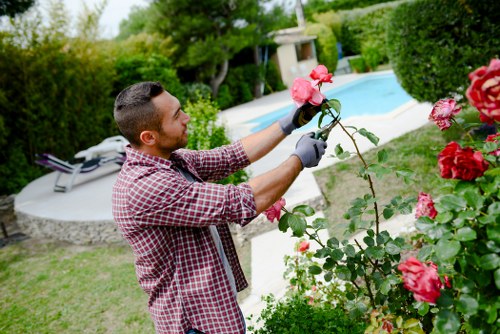
Garden Maintenance Hendon supports homeowners, landlords and property managers who want practical care for outdoor spaces, with work centred on keeping planting, lawns and boundary growth tidy, healthy and manageable throughout the year. Our service can include routine upkeep, seasonal attention and one-off tidying, depending on what your garden needs. The aim is straightforward: a presentable space that is easier to use, simpler to care for and better matched to the time you have available.
We approach maintenance as a series of useful tasks rather than a single visit with the same outcome for every property. That can mean mowing, trimming, pruning, light border care, clearing fallen material, or shaping growth so paths, drives and access points stay clear. For many customers, the main value is consistency. Regular care helps stop small jobs from becoming larger ones, and it can keep a garden looking orderly without unnecessary disruption.
When you are ready to compare options, request a quotation and describe the areas you want maintained. If you already know the main tasks, that helps us point you toward the most suitable scope. If not, a short outline of the garden is enough to begin.
Routine Garden Care and Seasonal Upkeep
Routine maintenance works best when the garden is treated as a living space that changes through the year. Grass grows at different rates, hedges put on length in their own season, and beds collect leaves, cuttings and faded growth after the weather changes. A sensible maintenance plan usually combines regular tasks with occasional attention to keep everything balanced. That can reduce the need for more dramatic intervention later and keeps the overall look calmer and more controlled.
For many properties, the most useful work is the sort that keeps surfaces open and planting in check. This may include mowing, edging, leaf clearance, deadheading and cutting back soft growth that has become untidy. We can also help keep access routes clear where planting has spread too close to paths, fences or garden features. If you want to prioritise the visible parts first, we can usually build the work around lawn presentation, boundary lines and the spaces you use most.
Useful maintenance decisions often depend on how the garden is used day to day. A family garden may need safe, open areas and straightforward upkeep, while a rental property may benefit from a tidy, neutral finish that is easy for future occupants to keep in order. A practical way to plan the work is to think about what should be preserved, what should be reduced and what should simply be cleared away.
Lawns, Edges and Neat Ground Cover
Lawn care is often the most visible part of a maintenance visit because it affects the whole impression of the garden. Cutting the grass to a sensible height, smoothing rough edges and keeping borders defined can make the space feel more deliberate even when planting is otherwise simple. Where a lawn has become uneven in appearance, the task may involve careful reduction rather than heavy cutting, especially if the season or ground conditions call for a lighter approach.
Good lawn maintenance also takes account of transitions between surfaces. The join between lawn, border, paving and fence line can quickly look untidy if edges are not kept regular. Neat edges help separate the different parts of the garden and reduce the sense that growth is spreading everywhere at once. In a compact garden, this can make the whole area seem better organised without changing its character.
If you are comparing service options, ask yourself whether the lawn is the main priority or just one part of the overall job. Some customers want the grass to be the focus with lighter supporting work around it; others want the lawn treated alongside beds, paths and boundary growth. Either approach can work well when the tasks are clearly defined from the start.
Hedges, Shrubs and Controlled Growth
Hedges and shrubs need careful handling because they shape privacy, structure and the overall outline of the garden. Trimming too lightly can leave them ragged, while cutting too heavily can strip away the form you want to keep. We work to keep growth controlled, improve the neatness of the line and reduce overhang onto paths, lawns and neighbouring spaces where appropriate. The right approach depends on the plant type, the time of year and how much shape the garden can comfortably lose.
Where hedging forms the boundary, maintenance is often about balance as much as appearance. A hedge that is cut evenly and at a consistent level gives the garden a clearer frame, while also helping keep access and visibility more manageable. Shrubs may only need selective shaping, dead material removal or a reduction in size to stop them crowding smaller planting or obscuring features you want to keep visible. Sensible pruning supports the garden without making it look stripped back.
Some gardens benefit from a simple schedule that keeps woody growth under control before it becomes difficult to handle. Others need a one-off tidy after a period of neglect or after fast growth has outpaced the rest of the space. In both cases, clear instructions help: indicate which hedges should stay tall, which shrubs can be reduced and where you want cleaner lines rather than heavy reshaping.
Clearance, Tidying and the Finish After Cutting

Maintenance is not complete until the visible debris has been dealt with. Cut grass, prunings, leaves and small offcuts can quickly undo the benefit of the work if they are left behind. A tidy finish matters because it leaves the garden usable straight after the visit and avoids the patchy look that often appears when clippings and loose material are scattered across paths or borders. Where useful, we can also separate light tidying from more thorough clearance work, depending on how much material has built up.
Garden tidying can also reveal practical issues that are easier to notice once the clutter has gone. Overgrown corners, blocked corners of beds, uneven patches, or areas where growth has crept across paving become more obvious once the surface is clear. That makes it easier to decide whether the next visit should focus on ongoing maintenance, selective cutting or a fuller tidy to bring the whole space back into order.
Before asking for a quotation, it helps to note any parts of the garden that need special attention, such as fragile planting, difficult access or areas you do not want touched. A short list is usually enough. One clear description can save time and make the proposed work more accurate, especially where the garden has mixed needs rather than a single obvious task.
Practical Maintenance for Front and Rear Gardens
Front gardens often need a clean, presentable finish with straightforward upkeep, while rear gardens may call for more detailed care because they are used more actively. The right balance depends on how the space is seen and how it is used. A front garden might need tidy lines, controlled growth and clear pathways. A rear garden may need more attention to lawns, border edges, seating areas and planting that has begun to spread beyond its intended shape.
Maintaining different parts of the property in a consistent way can make the whole outdoor area feel coherent. For example, keeping a front hedge neat while also reducing clutter at the back can stop one part of the property from feeling neglected in comparison with the other. That consistency is especially useful where the garden is visible from the street or shared access points, because small details quickly affect the overall impression.
If you prefer to stage the work, start with the area that feels most urgent and expand the scope later if needed. A garden does not always need everything at once. Sometimes a focused visit achieves the most useful result, particularly where the aim is to bring the most noticeable sections back under control before moving to less visible corners.
What Shapes the Cost of Garden Maintenance
Maintenance pricing usually depends on the time involved, the size and layout of the garden, and the type of work required. Simple mowing and light tidying will generally call for a different approach from a visit that includes hedge trimming, border work and the removal of a larger amount of cut material. Access can also matter, especially if the garden has narrow side passages, limited parking nearby or sections that are difficult to reach with tools and waste.
Seasonal growth is another factor. A garden that has been maintained regularly may be quicker to look after than one that has been left to build up for a longer period. In practical terms, that means the most useful quotation comes from a description of the actual tasks, not just the garden type. If you can say what needs mowing, cutting, clearing or shaping, it is easier to match the work to the space in a sensible way.
For a straightforward start, focus on three things:
- the areas to be maintained
- the tasks you want completed
- any access or waste removal points that may affect the work
About Hendon
Hendon is a district in the London Borough of Barnet, in northwest London, with a long history that reaches back well before the modern suburban landscape. The area is associated with the old parish of Hendon and later developed through railway links, local roads and expanding residential growth, which gradually changed it from a more rural settlement into an urban district. Its character today reflects a mix of older routes, varied housing and large open spaces that give the area a broad and layered identity. One of the best-known green spaces is Hendon Park, a large public park that contributes to the district’s open feel, while nearby areas such as the Welsh Harp reservoir and its surrounding landscape add water, wildlife and recreation to the local setting. Hendon also contains a range of historic and civic landmarks, including the old church of St Mary and the area around Church End, which preserve traces of earlier settlement patterns. The district is further shaped by its transport connections, with the Northern line at Hendon Central and rail links at Thameslink stations helping define daily movement across the area. The presence of Middlesex University’s north London campus adds an educational and cultural layer, while the local high streets, housing streets and parks together create a place that is both busy and varied. Hendon’s built environment includes periods of interwar and post-war development alongside older structures, so its streets and public spaces often show a mixture of architectural styles rather than one single pattern. That combination of history, greenery and urban infrastructure gives the district a distinctive place within north London.
Ongoing Care for Beds, Borders and Access Areas

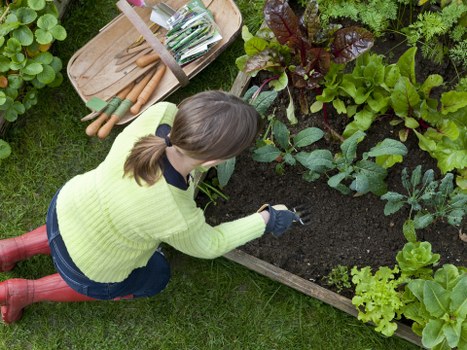
Beyond lawns and hedges, many gardens benefit from regular attention to beds, borders and the routes that link different parts of the space. This kind of work helps keep planting readable and prevents soft growth from spilling into places where it gets in the way. It may involve removing tired growth, cutting back around stepping stones, lifting material away from fences or simply keeping planting lines clean enough that the garden still feels intentional. Those details often make a bigger difference than people expect.
Access areas matter because they are the parts of the garden you experience most often. Paths, gate lines, side returns and the space around sheds or bins can quickly look neglected if they are not kept clear. Maintenance in these areas is as much about movement as appearance: when the route through the garden is tidy, it is easier to use the space safely and comfortably. That is particularly useful where the garden has several functional zones packed into a smaller footprint.
Where planting is more decorative, maintenance should support the design rather than flatten it. Some borders need a light touch so the garden keeps its shape and seasonal interest. Others need firmer editing to stop one species dominating the rest. The point is to keep the intended structure visible, whether the planting is simple or more layered.
Preparing the Right Scope for Your Quotation
When you ask for a quotation, a clear scope helps us understand whether the job is routine maintenance, a tidying visit or a broader seasonal cut-back. It is useful to mention the main areas first and then note any additions, such as hedge work, leaf clearance or removal of cuttings. If the garden contains areas you want left untouched, include those too. The more precisely the tasks are described, the easier it is to match the work to your priorities.
A good enquiry does not need to be long. A brief message can cover the size of the space, the condition of the planting and whether the work is regular or one-off. If access is awkward, say so; if the garden has been neglected for a while, that is also worth mentioning. These practical details help avoid confusion and make the proposed service more accurate from the outset.
When you are ready, ask for a quotation today. If the garden needs ongoing upkeep as well as a first tidy, say which part matters most and we can help shape the work around that order of priority.
Choosing the Level of Maintenance That Suits the Garden

Different gardens need different levels of care, and it is usually better to match the work to the space than to force the same approach everywhere. A low-maintenance garden may only need periodic trimming and clearing, while a more planted garden could benefit from closer attention to shape, timing and the balance between different areas. The best maintenance plan is the one that protects the look of the garden while remaining realistic to keep up over time.
If you are uncertain where to begin, think in terms of outcomes. Do you want the garden mainly to look tidy, to feel easier to move through, or to have certain features brought back into better shape? Those answers help define the scope more clearly than a generic instruction to ‘do the garden’. Whether the task is modest or broader, it becomes simpler to plan when the main result is clearly described.
For a straightforward next step, send the key details and request a quotation. If you need occasional upkeep, a one-off tidy or a more regular arrangement, we can discuss the most suitable maintenance approach for your garden and its current condition.